September 28, 2026
Seminar

Does your estate plan still reflect what you want? Does your financial plan match your retirement goals? Will Medicare cover the care you may eventually need? If the answers aren’t obvious, you’re not alone. This seminar is for anyone approaching or already in retirement, as well as adult children helping a parent get organized.
Tabitha Atwell
So I just wanted to say welcome, everybody. We’re hoping to give you some information and basically look at some of the common mistakes that can cost seniors money. There’s ways to avoid those things, and some things we just don’t talk about. So that’s what we are here as a panel today to discuss with everybody. So what we’re planning to do is we’ll introduce ourselves, we’ll kind of go over these four common mistakes that we thought were important to share. And then if there’s any questions or anything after we’ve finished that last one, then we’ll open it up for questions. So please feel free even afterwards to ask a question. And we’ll see what we can do to help answer it. Just keep in mind if it’s something very, very specific, our answer is probably going to be, I need to talk to you separately. But other than that, I will turn this over to Doug and let him introduce himself.
Doug Vernon
Thank you guys very much. So my name is Doug Vernon. I am a financial advisor with Thriven. And as Tabitha said, this is not legal, financial, Medicare specific advice, it’s general information that we’re sharing. But, I enjoy very much talking to people and work with them. I usually talk to people about different aspects of their financial planning and so as we think this through, tonight will be a great opportunity for us to share some important information.
Tabitha Atwell
And Melanie?
Melanie Palermo
Thank you. I’m Melanie Palermo, I’m with Saint Louis Medicare Solutions located in the West County area. But I service all of Saint Louis and all the counties surrounding. I help— I’m a Medicare broker, so I help those who are turning 65 years old pick out and understand the different parts of Medicare, the different choices. And there’s so many different letters that go with Medicare. People always wonder what those mean. [laughs] So I really love educating people about Medicare and helping them find the best plan that works for them.
Tabitha Atwell
And then my name is Tabitha Atwell. I’m an estate planning, probate, and elder law attorney at Danna McKitrick. I have been practicing in this area since I became a lawyer back in 2002, basically trying to find those ways to help families and loved ones deal with very difficult situations, whether it’s planning or, as we talk about today, lack of planning or what happens when somebody passes and what those next steps are. So just trying to make it as easy as possible. I also do work with families who have family members with disabilities, or any sort of special needs to make sure that they’re being taken care of, too. So on that note, that’s kind of the three of us to be able to talk to you. But let’s look into what these common mistakes actually are.
So the first one that I kind of led to, and what I was talking about is not having a plan in place or having an incomplete plan. And so I’m going to start off on that one. Talk a little bit about some of the issues when you don’t plan. Basically, I can tell you failing to plan is a plan. You just chose to do nothing. But what are the basic things people should have when it comes to estate planning documents, it should be at least a will. Sometimes more people will go for like a revocable trust. But you also need those powers of attorney, financial power of attorney, medical power of attorney, living will if that’s what your wish is, so that somebody you’ve chosen instead of a court can make the necessary decisions for you.
Because without those documents, you don’t have a power of attorney, guess what just happened? Your family is going to probate court because now they have to become your legal guardian and a conservator, and the court now monitors everything you’re doing, and they can say you’re not doing it right. You have to ask permission to spend the money. Nobody wants to ask permission.
And I handle a lot of these cases and my clients aren’t happy. And it’s not that they’re not necessarily happy with me. They’re not happy with the process in the court system. It’s expensive, it’s time consuming, and you just want to take care of your loved one. But the consequences of not planning or not updating your plan as people pass away, we run the risk that you actually don’t have a document that works.
And if I’ve got somebody, they only named one person as an alternate for their medical decisions, and that person passed and now we don’t have anybody to do it, we’re back to the probate courts. So just kind of looking at those things. And it’s also important to look at the issue of ‘what am I going to do? Where do I want to go.’ Also making sure, ‘did we update our assets?’ So if you want to talk about something that’s costing money, one is you didn’t put beneficiaries on anything that you own. That’s probate. Probate in Missouri is costly. It’s time consuming. And my worst case of somebody who didn’t put assets in their trust, which is an important thing that a lot of people forget.
But I ended up with the probate estate for, it ended up being the husband and wife passed away very quickly, and I never met the parents. The son comes in to see me. ‘Help me with this.’ Okay. But the problem was they didn’t fund their trust. I had $1.2 million stuck in probate. The fee for an attorney by statute for that size of an estate is over $20,000. That’s an expense that doesn’t need to take place. Getting those beneficiaries updated, funding the trust, failing to do those things are things that are going to cost the family, most likely later, a whole lot of money. And nobody— just like nobody wants to give all their money for taxes, nobody wants to give all their money to the courts. And I don’t blame them. The other thing is, what about your business? If somebody owns a business, what happens if you’re not running your business anymore? Business owners are really good at running their business. They are not good, I’m sure you guys have experienced it too, they’re not good at planning for the what ifs in life. And that’s a big thing because again, if the court gets involved, they get to decide if your business gets to continue and they can say no.
So we want to do stuff and plan for stuff so that we don’t have to deal with the courts. We don’t have to deal with all those extra issues because the business owner or the individual has actually taken the steps, sat down and gone through the process to plan. Because again, sometimes I’ll tell people where they’re not ready yet. I keep thinking, you can take care of it now, or your family will pay for it later. And neither one is is a good result. And as I say, as in real estate, everybody always hears the same: location, location, location. Here the location is, where do you keep all that stuff? Where are your documents? Do your advisors know what your documents say? Does your family know where to find them? I can tell you my family does not know what my documents say and that’s my choice. But they do know where they are. So, something happens, making sure that that location has been shared. And so kind of on that note, because I know you have discussions, Doug, with regards to estate planning documents and clients, what are the things that you see in this common mistake that we’re talking about?
Doug Vernon
Thank you, Tabitha. I think the biggest mistake is people don’t share. Well, a lot of people don’t have a plan and that people don’t share that plan or information with their family members. And so when I do financial planning, I cover six different areas of planning. But the two big one— or, the three big ones are risk management, retirement planning and then estate planning. And one of the most simple documents you can have is the power of attorney, or financial— it’s a really simple document to have, but if something were to happen to a loved one, so let’s say a couple, even a young couple, and it’s the gentleman’s IRA and the wife, let’s say he’s incapacitated and the wife needs to come and she needs some money for something. I can’t even talk to her about it if there’s not a power of attorney on file with us. So it’s, it’s about putting those plans together and allowing your family to know, um, what you were talking about is, we sometimes call it ‘I love you’ file. I don’t know who came up with that, but it’s basically a location where you have all of the information that your family will need.
Even things like passwords, how do I figure that stuff out, in some kind of central location that’s updated. But again, what I, when I talk to families, you know, we say you need to share this information with the rest of your family. Those of you at least if it’s if you’re an adult grown and you have adult kids, share it with 1 or 2 of those so they know and understand at least where to get it or who to talk to. Like you talk to an attorney, or you can talk to a financial advisor in those areas. So the big thing for in this area is just not only have a plan, but make sure others that you know and love know where that is, or know at least the key pieces of that plan.
Tabitha Atwell
Do you ever recommend certain places to keep those things for the family?
Doug Vernon
That’s a great question. You can do most things digitally today. And so, you know, if you have an iCloud account, most things you can have digital. The other place is if you can have a safe that has fire, that’s fireproof or at least fire retardant. The other place of course is safe deposit box, but you’ll also have to be able to open that safety deposit box if it doesn’t belong to you. So again, that goes back to simple things make a big difference. So yeah, there’s different locations. But it’s a great question.
Tabitha Atwell
And then Melanie, what do you see on the Medicare side for this failing to plan?
Melanie Palermo
I would say with families if someone is in the hospital, making sure you shared your health plan information with your family so they know how to work with the hospital staff. If you need to go to a short term rehabilitation place, they know what is covered in your plan. They can at least research it and figure that out. If they have no idea what your insurance is, that’s an issue. You want to make sure if you’re going somewhere that it is part of your plan, or you’re going to pay 100% of the cost. So knowing that ahead of time is very important. So as far as sharing with family, I would say that’s, that’s the important part. Having a complete plan. Some people don’t realize that Medicare, there’s a like a basic original part of Medicare. Then there are other parts of Medicare. Original Medicare only pays 80% of your hospital or doctor visits. You also need to supplement to get the rest, or a majority of the rest of the 20% covered. So you need to plan ahead and make sure that you have either, could be a Medicare Advantage plan, it could be a supplement. Just planning ahead before — well before — you turn 65 is very important.
Doug Vernon
But, so what about the so what about if somebody hits Medicare age but then they don’t sign up and they don’t plan to do that. What happens to them?
Melanie Palermo
Well, if they don’t sign up and they have an employer plan that is considered a credible, creditable plan by Medicare, they’re probably fine. If they don’t have a creditable insurance plan, then they can be fined in penalties. Unfortunately, by Medicare, which is a lifelong penalty, and it’s a monthly pay a fee every single month the rest of your year, your life, I should say. So. You don’t want to miss that window to either sign up or make sure you’re covered adequately.
Tabitha Atwell
And that Medicare time period for enrollment and stuff is usually around October. Is that when that starts?
Melanie Palermo
For if someone’s changing plans, then yes, October 15th through December 7th is open enrollment. If someone is turning 65, then it’s— could be any time surrounding the three months prior to their birthday, the month of the birthday, and the three months after their birthday. They can sign up, which is an important window if they’re going to sign up for a supplement, because there are no health questions and you can miss that window and then not have that opportunity. Both Medicare Advantage and supplements are good plans, but if you’re interested in a supplement, that would be a an important window to keep in mind.
Tabitha Atwell
Thank you. And so here’s— so that’s kind of a gist with regards to not having a plan and the consequences for that. So let’s kind of took, take a look and see what our next common mistake is. I keep hitting the wrong button. Waiting until you need care to plan for it. And, Doug, do you want to start us off on that one?
Doug Vernon
So when it comes to care, one of the conversations we have with all of our client— clients is you need to have an extended care plan. Now that can involve a lot of different things. But if you, if you wait too long to make that plan, sometimes your family doesn’t understand or know where the assets are you’re going to use. Or a lot of times people— in some instances, people will transfer the risk to an insurance company through like a long term care plan. But oftentimes people choose to investigate a long term care plan when they need the plan, which is often too late to even get it. Long term care is a great tool, but it requires underwriting.
You can be declined. It can increase your expenses. So we generally tell— Dave Ramsay always said when you’re 60, we always tell people you need to investigate it when you’re in your 50s because it’s a less costly thing. And so, it just whether it’s the long term care or whether it’s a specific asset that you set aside, you’re going to use for that extended care thinking and planning for that today makes a big difference down the road.
And it also makes a difference about how you’re going to invest that specific asset. Because if it’s something you know you’re going to need, then you want to make sure it’s in a place that it’s doesn’t have the potential to have a lot of risk to it and lose value, but it will also be able to grow somewhat. So I think for a lot of people, it’s at least having a written plan that you also share with your kids. So if you want your kids — this is being recorded, so I probably should be careful what I’m saying — but if you want your kids to push you off a cliff and that’s your plan for your extended care, you need to at least make sure they know and understand that they you know, anyway, they shouldn’t say that. But there is some interesting plans that people have, and we just simply say, please don’t share that with me. I don’t need to know that.
Tabitha Atwell
Or my favorite as the attorney, ‘I didn’t hear what you just said.’ I have no idea.
Doug Vernon
Which is the problem with AI and recording stuff, because then it’s on something. Yeah. So sorry. Go ahead.
Tabitha Atwell
And again those, those comments with regards to the long term care, kind of keep in mind if you didn’t plan for it and your kids don’t know, your kids are now in a crisis mode because they’re struggling to figure it out. And do they have the right paperwork to actually talk to Doug about what they actually need, or what can they do to help Mom or dad? Melanie, how do you— what do you see when people wait to plan?
Melanie Palermo
I would say a lot of people don’t think about Medicare until they’re right about to turn 65. So people don’t realize that you have to sign up for parts A and B if you’re not getting Social Security already, that takes a little while, at least a month in advance. You’d want to sign up for those alone before even picking your major choices: supplement or Medicare Advantage. You have to— you actually start your plan when you’re 64, because it’s the first of the month that you turn 65 is when your plan starts. So, you know, waiting until you’re almost 65 is maybe not the best thing. You want to make sure you get the right plan. If you just go to the website, you sign up, they’re not checking your prescriptions. They’re not checking your doctors to make sure they’re in network. You want to make sure someone is doing that for you.
Tabitha Atwell
And when it comes to some Medicare type decisions, when somebody’s renewing, they renew every year. And when should they really start looking at, ‘is my plan right for me?’ Because you could be on a bad plan that makes you pay more in expenses, prescriptions, it doesn’t cover a bunch of things. When should they really start looking at that?
Melanie Palermo
Well, about this time of year, people will start getting their information of what the changes will be for their upcoming year on their current plan. Some plans drop dental coverage all of a sudden, and if people don’t pay attention, they’re not going to realize they don’t have dental coverage for the next year. Lots of costs for prescriptions can go up every year. So this time of year, starting in October 1st, really, you can start looking and asking if you have a Medicare broker like myself to help research that for you. Before that, the prices of drugs and things like that aren’t out yet for the following year. But I would start looking now and then after October 15th, you can really if you want to switch, that’s the time to do it.
Doug Vernon
What would— what, what would qualify for needing, so let’s say I’m already on Medicare. I want an advantage plan. Or what would qualify me for needing to have a look at that? Like, do I need to do that every year, or there’s certain reasons why I don’t need to do that.
Melanie Palermo
It’s good to check every year, if you can, to have your prescriptions run just to see if sometimes drugs can be dropped by Medicare in general, and they’re just not covered the following year, or your specific plan or whatever company you’re with might change the way they cover that formulary. And it might be better to switch from one company to another. And it’s, you know, it can vary quite a bit between the companies, how well a drug is covered, what the cost is, and sometimes doctors. Right now, some of my clients are getting letters, one of the companies is dropping one of the hospital groups, so they’re getting letters saying your doctors are not going to be covered next year on our plan, this doctor and this doctor. So that’s when we definitely want to check and maybe find a different plan for that person.
Tabitha Atwell
And I can just add a little story on that. So my sister, who— she is not on Medicare due to being 65, she is on Medicare due to disability. And these reviews of these plans Melanie is talking about is really important because one plan would tell her, her medication will cost $1,100 a month. She went through the review, did all that last year, changed it. Now they’re $10 or less, all because of a plan difference. So it’s really important to look at those types of things and make sure you’re talking to somebody. If you don’t want to do the research, there’s people like Melanie to help. Ask for the Medicare broker, at— go talk to them. Have them do some of the research for you. Make sure you’re on a good plan, because some have extra benefits like paying for a gym, doing different things. All those, all those types of things can make a difference.
But the other— the thing that I see when as an estate planner, people waiting until they need care to plan for it is when we have the nursing home crisis. Somebody is going to need that nursing home really fast. We’re not talking five years down the road, a year down the road. We’re talking in months. No planning was done. Now we’re looking and we can spend down all their assets. But look at Medicaid planning to help pay for those nursing homes. Now, I know, and I’m sure Melanie’s experienced this, there is a big difference between Medicaid and Medicare. And most people mix the words up all the time. But Medicaid in this instance, that we’re kind of talking for seniors, is looking at that potential for pain, for costs of the nursing home, for skilled care. Does the person need that? If you’re in a crisis, guess what? Medicaid has a five year look back to see ‘did you make any gifts?’ Gifts can be penalties.
If people aren’t planning ahead of time. If there’s an illness and we know it’s going to progress, nobody can say for sure when somebody will need a nursing home or not. But can we plan for that and help protect assets so there is something left for the family? That’s like the biggest concern I hear is ‘I want money left to be there for my family.’ If you don’t plan, we run the risk there won’t be anything left. Followed by for Medicaid, you can’t have anything. $6,000 in assets, with a few exceptions, that’s not a lot of money. And so failing to plan for that is a big deal.
The other side on the failing or waiting to plan until you need it is when we’ve got beneficiaries with special needs, with disabilities, and your plan did not account for that. I had an instance where this beneficiary, he ended up being a beneficiary of a trust because of the two layers above him died, and all of a sudden he’s a beneficiary. He’s disabled, he gets Medicaid, he got kicked off Medicaid, all because somebody didn’t— they waited to plan or they never thought that instance would take place. Those beneficiaries also need extra protections. Or if you have a spouse that’s a spouse who’s a senior who’s in the nursing home getting Medicaid. But what if their spouse dies? Well, they’ve now inherited everything. We just lost all their Medicaid benefits. We’ve got to be able to plan for that.
And those are very costly expenses when it starts happening. In the instance of the example that I gave with that beneficiary, we had to create extra trusts. We had to do all this. It’s got to get approved by Medicaid. It’s a process. Waiting until these instances happen or the potential that they may happen. These are risks that somebody has that could cost a lot of money in order to fix or adjust. So kind of keeping those things in mind when you’re talking about, ‘I’m going to wait,’ by the way, as I tell all my clients, no one is guaranteed tomorrow. So planning today instead of waiting to plan for something that may happen, at least we’re covering the bases for the time being. So we talked about, you know, failing to plan. We’ve talked about waiting to plan until much later. So let’s talk a little bit about, I love this one, assuming Medicare will take care of everything. Melanie, do you want to start us off?
Melanie Palermo
So a lot of people I hear think Medicare is a long term plan, has nursing home care, all those things wrapped in. Medicare is really just like your employer health plan. It covers health benefits. I think they are really good plans. I wish I could get one for myself, but I’m not old enough yet. But they’re really just health care plans. You really need to plan for long term care. My dad has a short term care plan as well that helps him if he needs it in the short term. Life insurance. These are all things you have to do in advance. Like they’ve been saying, you can’t do it when it happens. There are critical illness plans, plans that help cover gaps in Medicare plans. All those things are additional plans and planning. Medicare only covers health care.
Doug Vernon
Well, what’s the length of time they can be in a facility through Medicare, the Medicare or Medicaid?
Melanie Palermo
Sure. It’s a matter of months, like only a couple months, so it’s not a long time. If you’re— you need, if you’re after a hospital stay. I’ve had a family do that. They’ve had to go in for skilled nursing rehab. They’ll pay for that for so many days. But it’s nothing you want to count on for long term.
Doug Vernon
So when we talk about long term care, which is potentially a really great tool for people, the thing you have to understand is that it’s made up of 2 or 3 different parts. You have a monthly benefit that will pay. You also have a bucket of money. In other words, it will pay a monthly benefit of $4,000 and it will pay for three years. Now, if you don’t use all the $4,000, you still have a bucket of money that you could potentially use for long term care. But long term care, generally speaking, you don’t want it to kick in until at least three months, because the maximum is those generally 90 days that you can be in an extended care facility of some sort.
Again, the planning with that as far as costs go, the sooner you can put it into place or at least see if it’s beneficial. What I tend to tell clients is it doesn’t cost you anything to go through underwriting to see if you can qualify for long term care. It just shows you whether that’s an option that makes sense for you or not. And so generally speaking, if you can help clients do it in their late 50s, that’s generally the best time to be able to do that. The second significant cost that comes that has an impact on Medicare would be this: let’s say someone has an IRA and it’s a pretty sizable IRA, but suddenly they have to pull out dollars to be able to pay for an extended care event. So let’s imagine in Saint Louis, if you’re in a facility that you need care, you’re probably going to pay anywhere between $90,000 to $120,000 a year.
Well, if you start pulling out IRA dollars, it’s going to start raising your taxable rates, which then can have impact on what you’re going to pay for Medicare, because that, for single file or for a single person, it’s $109,000 for a person who’s married, filing jointly is around $218,000. If you go above that threshold, suddenly your Medicare premiums start increasing. And so that planning, if you do it soon enough, which we’ll talk about other options, can allow you to pull dollars from a place that doesn’t raise your taxable income. So those are a couple of the impacts that it could potentially have. Health care costs, extended care costs could have on taxes even. And Medicare premiums.
Tabitha Atwell
Yeah. And I would definitely agree with both of you. There is a huge risk on, one, assuming Medicare pays for everything and it doesn’t. Assuming long term care insurance plans last forever, they don’t. Most people that I talk to, they may have gotten their long term care policies years ago. They haven’t looked at it. They haven’t seen, is there a change? They think it will last and last. When you’re looking at how much it says it will pay a day, that cost is from then. We’re looking at different, different costs. It’s expensive to have to pay for this type of care. And if you are assuming, well, they’ve got Medicare that’ll cover. Well, Medicare also doesn’t cover everything. That’s what the supplemental plans and stuff like that are meant for, which is also why it’s important to know what those, what those plans say, because I’ve definitely seen circumstances where, it’s not covering what they thought or the day to day and expenses, things like that.
But also remember, there’s also a whole bunch of other expenses like depends, snacks, things like that. Medicare is not paying for those. So you have to figure out, okay, who’s going to do that and where is it coming from. So making sure that the financial plan is also going along with what the Medicare plans that have been chosen are really set up for. And it’s really important, especially when we’re talking Medicare and health decisions. It’s really important to find the right people to make your health decisions. This is a huge area. It is not easy. No one will want to do this for you. I know my family will not want to do it for me, but you’ve got to pick the right people who can also follow through with your wishes.
And also if it’s really important to stay in your home. Most people want to be in their homes. They, they don’t want to go to— [cross-chatter from Doug] Let them stay at home if possible. It’s not always possible. Maybe there’s some benefits out there that can help pay for in-home care, especially if they only need like one person to assist them. My experience has been once you hit the two person requirement, you probably can’t stay at home. But it is something to kind of think about as to who’s going to make those decisions for me, who’s going to get my medications. They need to understand the Medicare plan as to how those prescriptions are set up. What’s the cost? How are we going to pay for all of those types of things come into these types of decisions, and these are the things that people don’t want to talk about.
I deal with everything nobody wants to talk about, but having the conversations, understanding what the senior wants, that’s really important. And it’s the thing people don’t talk about because they don’t want to. They think they’re like putting it out into the world that something will happen. But this doesn’t mean something’s going to happen. We’re just trying to plan for the what ifs and the things we weren’t expecting. So trying to make sure that those things are thought of. But when you’re also talking about who’s making your medical decisions, I think it’s really important — and this is an area I find people do not talk about — is caretaker exhaustion, especially if it’s a family member. That is a lot of stress on somebody who has their own life and maybe their own families, all these types of things. And we have to make sure they also have the support they need when we are talking about this, because these are very difficult.
And I’ve seen my husband’s family, I saw them go through this, and I saw how exhausting. And even when his grandfather went into the nursing home, they were there every single day to feed him dinner. They would sit with him, make sure he ate. But that’s making sure that every single day they’re going. When he was at home, somebody was monitoring his medications every single day. It’s very exhausting. It’s wonderful that somebody is willing to do that. But you also got to remember they’re tired and they’re trying to figure this out. And a lot of emotions are coming in that nobody wants to talk about either. And sometimes you also find the dynamics in the family aren’t quite what we thought they were.
So watching for those scenes, having those conversations, what does the senior really want is really important. You know, even if it’s sitting down with them and just having that conversation, depending on what’s ailing them, especially if they’re at home, it can change their personalities and you got to be ready for that too. So just kind of keeping those things in mind. Yes, Medicare does not pay for everything. We’ve got to find ways to pay for it. We also got to have the right people and not everybody is suited for these jobs. So kind of keeping those things in mind. And then for our last common mistake that we see, and this is failing to optimize the retirement funds.
And so Doug, you want to start us off on that one?
Doug Vernon
So when it comes to, when it comes to planning, the sooner you can plan, the better. And so there’s a couple of really good windows of opportunity that you can plan. So I mentioned earlier, if you’re pulling dollars out of an IRA that’s fully taxable, it raises your taxable income. So you have your Social Security, maybe two Social Securities, maybe somebody has a pension and suddenly you’re pulling dollars out of an IRA. So one of the things you can do is plan sooner. There’s often a window between the time somebody retires and potentially when they turn on Social Security. That’s a really good window to do Roth conversions. In other words, it’s taking dollars and paying taxes today so that you’ve got a bucket of money down the road when you need it. That doesn’t— that is not taxable dollars.
There’s other ways that you can have an impact on your taxes. You can make use of charitable strategies. And so I had a conversation with a gentleman today about qualified charitable distribution. It’s a pretty simple thing. You have to be 70 and a half to do that. But it’s ways in which when you have to take what’s called a required minimum distribution. So for most of us in this room, it’s going to be age 75. He was 73. He turned 73 and a month. And so we were talking to him about how much he’s required by the government — because they like their tax dollars — so how much he’s required to take out of that IRA or a 403(b) and with an IRA you can do something called a qualified charitable distribution. You’re charitably minded. There’s ways to defer some of those or remove some of those taxes.
There’s also other great charitable tools like a donor advice fund in which you can place dollars in, like you’re giving everything today. We use it a lot for small business owners. They can take a significant amount of dollars, put it in a donor advised fund. It’s like they’re giving all that this year, but they don’t have to give it all. They can spread that giving out, but they can get that deduction in the year. Maybe they’re selling a business or maybe when they’re doing a Roth conversion, you can do something like that and be able to piece some of those things together. But there’s a lot of ways— I appreciate what we have, and we pay for that through our federal government. But I’m not going to give the government any more than I feel like they need to. And so there’s some really good ways to help strategize and plan with estate planning is a great way to do that and other things in regard to saving money, not having to give the government any more than you need to.
Tabitha Atwell
And you really tend to find that more seniors are not aware of that qualified charitable distribution.
Doug Vernon
Yeah. I mean, particularly, you know, again, not everybody’s charitably-minded, but you can give up to $180,000, I think that’s the number this year, out of an IRA as a qualified charitable distribution and again, kind of go to a charity, a nonprofit, a church or something like that. But every dollar that you do is a QCD, a qualified charitable distribution, is complete— It satisfies an RMD and it’s completely takes the taxes off the table of whatever you give to that particular charity. So again, not a lot of people know about that but it’s a great tool okay.
Tabitha Atwell
Yeah. And I can have a little, share a little story about that. My mother in law a couple of years ago got her taxes done and was angry because all of a sudden she owed a lot in taxes. And I’m like, we’re like, first of all, spend some of your money because you can. But think about charities, think about making a charitable donation and think about this. So she finally talked to her financial advisor, and this year they were going to use some of that qualified charitable distribution to distribute to a charity. But I also said, make sure you talk to your accountant that you’re giving enough. That makes a difference. If you’re giving too little, you really haven’t done anything.
So it’s not just a one piece, you know? Doug’s got his part. The accountant has their part. It’s important that everybody is communicating because if we weren’t reminding her, don’t have these conversations, go do this. And I just sat down with her there like, oh, I’m going to make this. And I’m like, that deduction seems— that amount seems really small to make an impact. Go talk to your accountant too. So it’s important to have those conversations because she didn’t know and she is just getting larger and larger tax bills okay. Let’s find a way to help you do that. But it’s important to kind of look at that too.
Doug Vernon
Yeah. So the required minimum distribution is a rule from the government. When you reach a certain age, you are required to take out a certain amount of like an IRA. And it’s based upon two factors. It’s based upon the size of the asset. It is based upon how long the government says you’re going to live. And the closer you get to that point that you die, the larger that goes.
So, for example, this gentleman today, he turns 73. He only has a $300,000 IRA. This year the distribution required is $10,000. Not significant. But if that asset grows at even like 8%, by the time he hits 90, he’s pulling $40,000 or $50,000 he’s required to do that. And imagine if you’re married and you both have an IRA. In other words, those kind of things. If you plan soon enough, you can begin to take some of that off the table, because the Roth IRA has no RMDs and every penny you pull out of it is tax free. And so, again, careful planning can make a difference because it can be pretty significant down the road.
Tabitha Atwell
And Melanie, what are you seeing on this one?
Melanie Palermo
I would say as far as paying more than you have to. Sometimes, well, we talk about drugs, prescriptions, making sure you’re covered adequately. Your plan covers what you’re on specifically. Another thing is some people, when they’re employed past 65, they don’t realize that they can actually drop their employer benefits plan and enroll in Medicare. They think they have to stay on their employer plan, and sometimes they’re paying way more for their employer plan, whether it’s through monthly premiums, through maximum out of pockets, deductions or hospital stays, all of that. Usually Medicare is better than about 95% of employer plans. They are very good plans. That’s why I want one.
Doug Vernon
How much does it cost for them to use you as a broker?
Melanie Palermo
My services are free, so brokers are not, not allowed— so if someone tries to charge you, it’s not allowed for brokers to charge their clients fees for services. So we are actually compensated on the back end from the insurance companies and at least in my case, is pretty comparable no matter what you choose. So I don’t care what you choose, just choose the plan that’s best for you.
Doug Vernon
And it doesn’t raise the premium on any of that or the cost for them to use you?
Melanie Palermo
Right. Nothing costs more or less whether they use me or sign up on the website without checking all their things. So please have a broker, myself or somebody, check your information so you’re getting what you need.
Tabitha Atwell
And then just when it comes to the retirement funds and in relation to the estate planning and that, that I do. I mean— one is, it’s very important to make sure the beneficiaries are set up correctly. It should coordinate that with the estate planning documents and making sure that, yes, this is what the estate plan— now can you do something different? You absolutely can. Watch for those beneficiaries who are an issue. Minors are my favorite. Everybody for some reason wants to name a minor. I even had somebody who named a five year old — and this was a great great niece — named a five year old to get everything. Okay. You just caused us even more problems. So let’s not do that again.
But just kind of looking at it as to what are those charitable options? Is somebody charitable minded? Do you want to leave money to charity? Let’s make sure you’ve done that. If it needs to be part of, you know— I’ll get people to say, look, I want to leave my retirement accounts to charity. Everything else can go this way. I’m like, okay, but what if you only wanted to, you know, what if you put them in both? What if you put them, the charity in your estate planning, and you put the charity as a beneficiary on a retirement account, were you intending to double dip? Because they will get both. So sometimes I will account for whatever they got here from the retirement account. This is how much I intended for them to get if they already got it from that. You don’t get anything from my estate or from my trust. If you didn’t get everything I intended, well, you’ll get the difference. So it’s important to make sure that all the plans and all the pieces are working together to make sure that we are optimizing it. We are looking at it from a tax perspective.
Doug Vernon
What’s the order of sequence, of what rules over the other, like a beneficiary and a will and a trust? Is there a sequence or an order of who determines what?
Tabitha Atwell
There is. Beneficiary designations overwrite estate planning documents. So whatever that designation says at that bank or whatever, that’s what’s ruling, that’s who’s getting it. That may not be the plan. And a lot of people don’t realize that. I see that also when people add their children to their bank accounts, this is ‘they need to help me pay my bills.’ I get it. That’s why we have powers of attorney. But let’s talk about that. But when they pass away, if you are named on that— if a child is named with their mom on their bank accounts, you help them, okay, you’ve done that part. But when they die, it’s that child’s. If there’s more than one child, we have a problem because they don’t have to share and families do not like it when I tell them that.
And I have one where that’s exactly what happened and I’m like— kept repeating to them, she doesn’t have to share. She doesn’t have to pay her mom’s bills. It’s her money. Some people are willing to share. Others are like, you have been a pain to me my whole life. I’m giving you nothing. This is a risk. So when we don’t plan and we don’t plan it correctly, this, this is exactly what could happen. But those beneficiary designations will override some of these estate plan. And there’s nothing I can do to stop it. You also have to watch for those weird laws that can give a divorced spouse life insurance money that was not intended for them, because the person never changed the beneficiaries. So all these types of things are why we want to plan and all of these things when failing to plan or setting it up a way that doesn’t work well across all three of us here.
Doug Vernon
Or made without talking together, yeah.
Tabitha Atwell
We run the risk of some very costly, expensive measures that will have to be taken later. And some of them we can’t undo. So on that note, are there any questions or anything that you guys have that you would like to ask? Yes, ma’am.
Audience 1
I have two questions. One is I’m kind of what you were just talking about. If all major assets have a beneficiary or TOD on them. Is there any reason to still have a trust or are you good with that? And then my other question is in regards to Medicare, if you sell an asset — because I just learned about that penalty you were talking about where your income goes way up just that one year because you sold a rental property — is there any way to protect that money or are you just screwed?
Tabitha Atwell
Do you want to answer that one?
Melanie Palermo
Sure, of course. With Medicare, to determine your part B premium, which is leveled by, by income, depends on how much you pay. They look back two years. So if in the last two years if you sold a rental property like you were talking about, that would be included in your income, you can’t appeal that. For instance, if you know you’re retiring and your income is going to be much lower, you can’t appeal that, and they can decide whether or not to lower your monthly premium or not.
Audience 1
So there is a— it’s for my parents who retired a long time ago, and they would just be selling it now. So it’ll affect just one year income?
Cross-chatter
[Audience and Panel cross-chatter]
Melanie Palermo
No, it’s not permanent. It’s just— you can, when your income adjusts, you can re— I guess, ask them to look back at the most current year or two and that will adjust.
Audience 1
Is that a formal process or do they automatically do it?
Melanie Palermo
It’s a formal process you go through and fill out. Yeah.
Audience 1
Okay. And then the other thing.
Tabitha Atwell
So the other question as to do you need a trust? It’s— my lawyerly answer is coming out. It depends because there’s a lot more that goes on. So if you have beneficiaries on every single thing you have including cars, everything, it avoids probate. As long as first— as long as the beneficiaries are living, is one, because we always run the risk, and I have had this happen, where somebody had a TOD on their car. Great. Missouri allows you to do that. The person died five years ago. No beneficiary, because they never went back to update it. That meant this car that barely could turn itself on, worth less than $500, had to go through probate, which costs them $2,500 to do it just to junk the car. So we run a risk that a beneficiary could pass away.
We also run a risk that somebody could be a minor. Now that is avoiding probate because of the person’s death. But now I have a minor who’s inheriting something. They can’t own anything. And now we’re looking at probate for the minor and turning it over. So I gave that example of that minor who was named as a beneficiary. She has a conservatorship through the probate courts until she’s 18. When she is 18, we have to give her the entire amount of the money. I have given minors $500,000 in assets. You can imagine where this money is going. So when it comes to the bigger risk of what if we have somebody who’s passed, when you have a trust or as a, as a beneficiary, the trust doesn’t die. We just go to the next named person. So we keep it away from probate from that perspective.
But sometimes we have beneficiaries who can’t handle money very well. Or, it’s not the beneficiary we’re worried about, we’re worried about their spouse. Sometimes a trust is a better option to try and help avoid some of those circumstances. So it really depends on a case by case basis. Most people here in Missouri like trusts because it keeps us away from probate as long as we fund it. We talked about earlier. But, because here in Missouri, probate’s messy, expensive and time consuming. We’d like to help avoid that. But it could go either way.
Doug Vernon
And you can. The good thing is you can name multiple beneficiaries so you can have primary beneficiaries. You can have first contingent beneficiaries. You can have second contingent beneficiaries. And it’s often best to do that just for the kind of things that you were talking about there. And I always— when I’m talking to clients, if it’s a legal issue or if it’s a tax issue, I’ll give high level information. But I’ll say you really need to have a conversation with your attorney. You really need to talk to your tax person because they’re the experts.
That’s why using a broker for Medicare is an easy thing to do. I remember when we moved my dad up here, he was living in Springfield. We moved him to Saint Louis. It was a change — he was on an advantage plan — that was a change because of he wasn’t covered in that region. I had no clue what I was doing. I didn’t know anything then, and I didn’t know who to talk to even at that point. And so knowing a broker like Melanie is a great benefit in that regard.
Audience 2
Yeah, I just had a comment. I just really appreciate you all and the roles that you have because working with seniors— they’re, I mean, just listening to you guys, you go in your life, you, you make money, make money, make money. You get to a point then where, you know, now you shift from making money to protecting that money through taxes and things like that, making sure that you have everything in place. Something that I see a lot is that the spouse that set all this up and did all the planning passed away. Now the remaining spouse has no idea what those plans are, where they’re at, and there’s just so much happening, you know, Medicare at that age and getting those plans and understanding that. And then again, the taxation changing every year. I just applaud you guys for what you do. And I wish more seniors would feel, you know, that, proactiveness, per se, to get in front of you guys and, you know, early—
Doug Vernon
Sometimes they just don’t know.
Audience 2
Yeah.
Doug Vernon
You know.
Audience 2
You know, it comes a point where it’s like, you know, there’s — there’s just— it’s too much over — It’s overwhelming for them. And it’s like I, you know, they just don’t want to deal with it. But if they don’t, here’s the consequences. They lose a lot or goes, you know, doesn’t go to who they really wanted it to. And if they’re not getting all the benefits, you know, I have one person that has no idea what their long term care plan does for them. So they continue to pay the premiums, but they’re, they’re not using it. So, so anyway, just to comment, thank you. I appreciate what you guys are doing and what you preaching. And, you know, we certainly, certainly want to get, you know, more seniors.
Doug Vernon
Yeah.
Audience 2
You know, to to hear your message for sure.
Melanie Palermo
Thank you.
Audience 2
Thank you.
Tabitha Atwell
Anybody else? [pause] Any final thoughts?
Doug Vernon
I would just say the power of attorney is the simplest document to have, and it’s so crucial. You know, I tell young couples, you know, even if you don’t have kids, maybe a will is not something you have to do, though it’s important. But a power of attorney is huge because I can’t talk to a husband or wife if the other person is incapacitated about their finances because— if I don’t have that document in place. So the power of attorney is such an important thing to have.
Melanie Palermo
I would just say most people are in the wrong Medicare plan, so having someone check it for you is a— would be very helpful. So that’s about it.
Tabitha Atwell
Yeah. And lastly I would just add in failing to plan is a plan. So keep that in mind. It’s a choice that’s being made. Talk to the right people. Talk to the person you’re comfortable with. Make sure whoever you’re working with, you’re comfortable and can have these types of conversation. Nobody, and I see this a lot with seniors, they become very— they don’t want to share. They don’t want people to know what they have. They don’t know— want people to know what’s been done. But making sure the right people do know? That’s one of the most important things we can do. So we can alleviate the stress, the frustration and the cost that may come up because we didn’t contact the right people here to make sure you’re having those conversations. But thank you very much for joining us and hopefully this was beneficial to you.
Cross-chatter
Thank you. [applause]
Our speakers have coordinated a real-world case study that walks through how an estate plan, financial plan, and trust company work together to support your needs and wishes for the future.
Attendees will learn:
■ What can go wrong when these pieces are not aligned
■ When it makes sense to involve professionals
■ How to reduce the burden placed on your family members
■ How to build a plan that functions clearly when it matters most
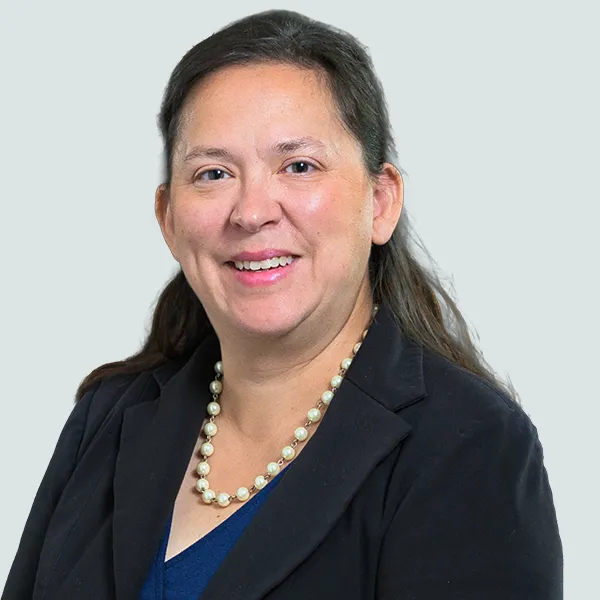
Tabitha L. Atwell focuses her practice on estate and tax planning, probate, and trust administration. She assists both families and individuals with proactively planning for incapacity, individuals with Alzheimer’s disease and other forms of dementia, and individuals with disabilities.
Tabitha serves as legacy advisor for St. Louis Children’s Hospital. Her other memberships include the National Academy of Elder Law Attorneys, WealthCounsel, the Missouri Bar Probate and Trust Committee, and the Missouri Bar Elder Law Committee. She previously served as a national board member of the Society of Financial Service Professionals.

Doug specializes in comprehensive financial planning, especially for those in or near retirement. His services include retirement planning, cash flow analysis, risk management, investments, and tax-efficient strategies.
Prior to Thrivent, Doug was a Pastor for over 40 years. Doug is married to Patti, and they have 3 grown children and 7 grandchildren.
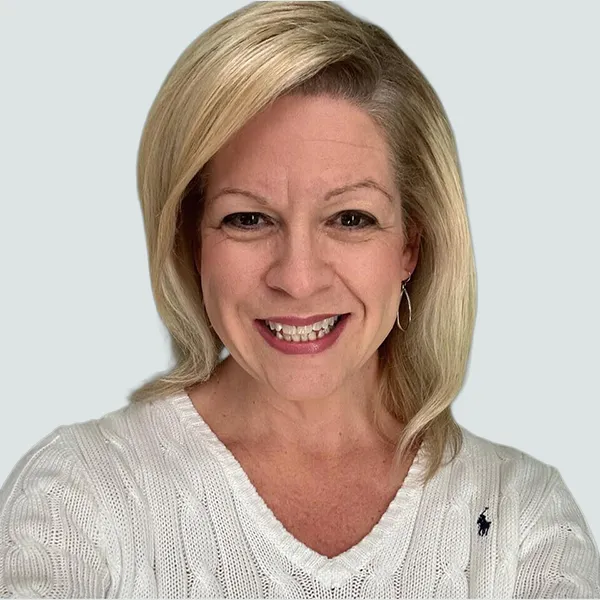
Melanie is passionate about helping people find their best Medicare plan. She finds joy in making complicated topics like Medicare more understandable.
Previously, she worked in education, which included being a part of the Rockwood Communications Department. She has one son and resides in the Wildwood area.
The choice of a lawyer is an important decision and should not be based solely upon advertisements.
© 2026 Danna McKitrick, P.C. Attorneys at Law | Legal Disclaimers | Accessibility Statement
Our website relies upon cookies and selected third-party technologies to improve your experience, and for proper operation of all site functions. Denying or withdrawing consent may adversely impact this site's performance.