
June 2, 2026
Seminar

When your estate planning attorney, financial planner, and trust company operate independently, important details can be missed when your loved ones most need clarity. Join us for a webinar that turns separate strategies into a coordinated plan your family can count on.
Tabitha Atwell
I think we’re going to go ahead and get started. And so thank you everybody for coming. We really appreciate it. Our presentation is “The Missing Pieces: Planning Today for your Family’s Future.” So we hope you get some great information out of this that you can use, either for yourself or you know, somebody who could benefit from it. So really do appreciate that.
But I do want to introduce all of our panelists. So Megan, and you’ll tell us a little bit about yourself.
Megan Burke
Yes. Megan Burke, financial advisor at Edward Jones. So I’ve been with Edward Jones eight years. That’s also as long as I’ve been a financial advisor so I’m exclusively with Edward Jones. And in Sunset Hills, if you know where the Twisted Tree, that Holiday Inn there on Watson, I’m in the office building behind that, so I, it shows my, my areas of expertise, kind of the, the highlights are my favorite areas is really working with women investors and then the wealth strategy part side of that. So yeah happy to be here with you guys. So thank you.
Rebecca James
Hi I’m Rebecca James, a trust advisor at Parkside Financial Bank and Trust. I’ve been there a year this June.
Prior to that, I was a trust officer at Stifel for six years. Pretty much grown up in the trust industry since I graduated college. So just been several different roles through TIA and US Trust. So my areas of expertise, obviously, fiduciary risk management, relationship management, probably my favorite piece of being a trust advisor So I’m super happy to be here and get to know everyone.
Tabitha Atwell
And I am Tabitha Atwell. Yes, it worked. Okay. I am Tabitha Atwell. I am an estate planning, probate, and elder law attorney at Danna McKitrick. I have been with Danna McKitrick for four years next month, which I’m really excited about, and I have been doing this since 2002 when I graduated law school. So my focus has always been in the probate, estate planning arena, and I really enjoy working with families and to deal with all the things that they don’t want to talk about, but need to talk about, and trying to find the easiest ways to be able to do that.
So we are very glad to have everybody here joining us. I would ask any questions. You guys have to hold those until the end. We’re going to go through a few case studies to kind of talk about different scenarios, people in different parts of their lives. And then also with regards to how the three of us work together to take care of a client.
So if you have questions, like I said, just keep them till the end and we’ll have some time to answer any of those. But one of the things we wanted to kind of get across from everybody, or what we’re trying to do here, is, first of all, the importance of working with trusted advisors, whether that’s the financial advisor, the estate planning attorney, a trust officer, anything like that, the CPA. It’s kind of a team effort to take care of clients.
So our goal is to kind of also reflect what that is. Financial considerations, we want to talk about that as life stages go on. Things that happen in somebody’s 20s are not going to be the same things that happen when they retire. And how do we plan for those things, and also how to provide support for your loved ones, whether that’s in trusts, whether that’s in “I’m going to give you some money” or whether that’s knowing you have anything.
So kind of keeping those things in mind. Inside your packets are some, a little bit of information. And one of those is some terms. A lot of times when somebody goes and talks to the estate planning attorney, the financial advisor, the trust officer, they’re going to talk in terms they have no idea what I just said. What’s an ascertainable standard?
What’s a trustee? They constantly get confused, wills versus living wells versus all of these things. So we did give a little page in there for you guys as a reference for those types of terms. But big ones we wanted to really talk about today are the ones that we’ve put up here for trust, what a fiduciary duty, ascertainable standards, which is something that is used quite a bit, which is actually in all honesty very broad.
So kind of keep that in mind what a trustee’s job is and then what a discretionary distribution is, because there is a difference between what we have to do and what is discretionary. And so trustees, especially depending on how much leeway and what words we use, discretionary can be an entire difference between “I can do this for you” or “You know what?
No. It says you get this. That’s it, I’m done. And I can’t help.” So just kind of keeping those in mind as we’re kind of talking about things up here and just making sure that if there’s something that you’re not sure about, just always feel free and ask. So when we thought of doing this is kind of in case studies.
So we’re going to take life stages. And so here we are talking about the young family. This is late 20s, early to mid 30s, two small children. They may not in this case have really no family support nearby. They are living in Saint Louis but all their family lives someplace else. What type of planning, what kind of things do we need to be considering for when somebody is just kind of starting out in their lives?
And with that being said, Megan, how do you work with those young families as you’re going through this process, your process with them?
Megan Burke
Yeah. So I feel like for to start, I feel like there is a lot of redundancy across the case studies in my role where my value add comes in. And I also feel like I’m speaking to a lot of my peers. So you are familiar with what I do and how I bring that value. Being in the young, I feel like this is probably their first time working with any of us as professionals or seeking out the advice of experts, so I feel like just the beginning stages, just kind of setting that baseline of education, understanding what their goals are as a young family, whether that’s debt management, whether they might have student loans, budget, budgeting. That might be the first time they’ve ever had, you know, like stable dual income coming in, but then also those long term retirement goals, obviously. So just kind of fleshing out their, their risk tolerance, those goals, understanding that a little bit more and then establishing a strategy for them then with the two children is of course going to be a big conversation of education planning, 529 plans, stuff like that, and then the insurance.
So at this stage in life, I feel like their number one asset is actually a loss of income. So if that is just a conversation around like term insurance. So that’s probably something we bring up as well for, for the parents of them. So and then this is potentially working in tandem with bringing in the conversation of, without having the family support, kind of that worst case scenario.
If something were to happen to the parents, what happens to these minor children? So establishing that relationship with an estate attorney and bringing them in would be important as well.
Tabitha Atwell
And Megan, do you find that on the life insurance side, that people tend to under-insure, that they don’t know how much they need down the road, like what things should they consider?
Megan Burke
Right. So we follow an acronym that’s LIFE. So it’s, the, any liability, so many debts that they might have, loss of income. Final expenses, and then education costs. So that’s one, just like, just a quick calculation that we run through. But then also I find that people are dependent on their employer life insurance, thinking that well they have that through their employer.
They’re fine. But then if there’s loss of job then they also don’t have life insurance. So it’s making sure that they’re covered kind of across the board for sure. Yeah.
Tabitha Atwell
Yeah. And Megan referenced working with the estate planning attorney. And that’s kind of my side of the equation. But when we have minors that’s always a different topic, because minors are great.
And what do I see all the time? People have named their minor children as beneficiaries on everything. Pretty sure most people in this room know that is not a good plan. I have a case and a conservatorship because when you leave that to a minor, you end up in court. It’s a conservatorship. They decide if you can spend the money.
And I’ve had them say no, even to pay for high school tuition. I’ve had them, you know, you have to pay all the fees. You have to do accounting. We got to lock it up. But guess what? We’re going to hand your child whatever amount it is at the age of 18, which I’m going to guess, most of the people in this room realize it’s never a good idea to hand an 18 year old a whole lot of money, but there are ways to avoid that.
But it’s very common. You put your kids on there, you think it’s good, we’re done, or somebody decides the other side of that is, well, I know it can’t be my kids, so I’m going to need my sister. Okay. Well, let’s talk about that, because that doesn’t work either, because your sister could take all the money and doesn’t owe your kids a dime.
So these are the types of conversations I have with my clients all the time, especially at this level, because I can avoid probate in many different ways. But there is one aspect of probate I can never avoid when it comes to minors, and that is guardianships. Guardianships have to be approved by the probate court. They have to decide what is in the best interest of that child, and that is until they’re 18, because that’s when we say somebody is legally an adult.
Whether or not they should be an adult at that time is a whole different conversation. But trying to make sure we’ve got the right people, who’s going to be the person who can step in and do those day to day types of things, get making sure they’re getting to school and making sure they’re going to the doctor, different things along that.
But that is something that’s very important because especially if there’s family members we don’t want in charge of our children, we need to specifically say who we do want, because there are plenty of families who have siblings or other relatives where it’s like, no, no, no, I don’t want you in charge of their money. I don’t want you to in charge of them.
Here’s what I need to do. That’s where the planning piece comes in and kind of working towards that. And the other thing is, when we’re really talking about a married couple, a lot of people don’t realize, especially at this stage in their life as a spouse, you have no rights. You can’t make decisions for your spouse. You can’t take care of their banking if your name’s not on the account.
Most people don’t even realize that. So having your basic documents, whether that’s wills, plus powers of attorney, which always become incredibly important, all those documents are going to include those guardianships. How do we handle the money? You don’t have to give your child money at age of 18. You can give it to them however you want. I have very few clients who will give money at 18.
Most want them to at least wait a little bit. But making sure that we have those documents in place for the “what if?” I always tell people, we don’t want to use your documents anytime soon, but they’re here just in case. So getting that little starting point, even if you don’t have much, you have something. How do we help you deal with the stuff that you have to make sure your loved ones and everything are taken care of?
So that’s kind of the, the conversations that I’m having for them to be considering and making sure that everything works the way you intended, even though in this case where minors and maybe they’re five years old, I have no idea what they’re going to be like when they’re 20. But I can at least plan for “this happened today. Here’s what I want to see happen.” And that’s all we’re really putting down in writing, is to be able to do that and make sure that they understand that. Yeah.
Megan Burke
I will add to with the conservatorship, I’ve had clients that, the grandmother left money to the grandchildren, and they were put in a conservatorship that was a restricted account. And FDIC, like there were so many kind of red tape that was around me that counts.
Megan Burke
But then it also can affect any type of like college loans, or student loans. So that’s something that people don’t really consider either when they think, oh, we’re just going to leave the children money. It can have some negative impacts down the road to. So.
Tabitha Atwell
Anything from the trust company side?
Rebecca James
Yeah, I mean typically in this situation, I’m the worst-case scenario, even at this, at this stage of the game, especially at this stage in the game, really, I mean, it’s acting as a neutral party, you know, handling day to day items for families, just making sure everything is taken care for the kids and then easing the burdens of the guardian.
So really, I’m kind of the last stop here. If family doesn’t work, if any of these other parameters or guard rails that Tabitha’s, the estate planning attorney put into place, or Megan setting up their financial plan put into place, kind of go awry. So typically that’s when we step in and or if a child has special needs or in that case too.
But I’m kind of the last line of defense really, especially in the first case scenario.
Tabitha Atwell
Yeah, and especially in this one, I would say also because we said there’s no family nearby. So maybe there isn’t somebody they would trust to take care of this money and make sure they have what they need. They have—there are professionals like Rebecca who can step in and follow those wishes and make sure that it is handled in a way that’s best suited, because even if family is, you know, not nearby, but maybe some, you know, sibling is not good with handling money. Do you really want them in charge of your kids’ money?
Rebecca James
Which happens more often than not. Yeah, and that’s kind of one of the things I love about being a trust advisor, too, is just the relationship building. So even getting to know families at younger stages so that when your child’s 25, you know that in that trust document, “you know what, my parents, they—I talked with them, I spoke with them, had a meeting and they did want to use some of that discretionary spending for a down payment on a house. I spoke with your parents about that.” So, you know, just building on those relationships too is always really important, I think from the beginning.
Tabitha Atwell
Yeah, so we’re kind of talking about this young family. But time goes on. Things happen. So we’re going to kind of change the rules a little bit here. We’ve got a different family.
But the kids are much older. So I want you to think, probably early 40s, somewhere in and around there, that’s the couple. But there are kids. We’ve got one in college, we’ve got one who’s decided not to go to college and we got some concerns. They have spending issues. There are maybe some addiction issues. And addiction isn’t just drugs and alcohol addiction. It can be gambling, it can be all of these types of things. And so how do we handle when the kids aren’t on equal playing fields, I will say, one’s off in college doing great. The other one’s at home, we can’t get them to get a job. We can’t—all these types of things. Now that transition is starting to happen, as to what can we do for those beneficiaries, and then what can we do for the couple to make sure that their plan—because they’re not retiring yet, how do we get there? And so I just kind of wanted to talk a little that from the estate planning side, when we talk about these individuals.
And one of the things I’ll kind of point out, because in this case, I’m going to say they are all at least 18 years old, is 18 year olds should also have powers of attorney. Mom and dad don’t have rights anymore. They can’t make decisions for you. They can’t do any of that. Which you know, some kids will think, awesome, I can make my own choices. Probably not awesome. But what if something happens? They’re away at college, there’s been an accident. Who has the authority to make their decisions? No doctor has to talk to talk to them.
So having those powers of attorney can also be very important. And I always recommend to clients, once your kids turn 18, let’s get those […] power of attorneys in place, sorry, powers of attorneys in place so that if something were to happen, we’ve got the ability to do what’s necessary and take care of them, whether it’s financial or medical.
But when we’re talking about adult beneficiaries, yes, you’re an adult. I can give you money and say, here, this is yours. Please go do with it however you please. That doesn’t work for everybody. And in these particular cases, especially if we have a situation where we have somebody who has some sort of addiction, handing them money can be the worst thing that we’ve ever done.
And I ended up working with a trustee at one point where we found out—we were not family—we found out this beneficiary’s addicted to drugs. This beneficiary now has criminal issues that are coming up and popping up. And we were giving them a monthly allowance. Guess what? That was done. We paid for rehab. They didn’t want to do the rehab and walked out, all these sorts of things.
But the funds stopped because we had to protect the beneficiary. That’s what these trustees need to be able to do. So who serves as your trustee? That’s going to be, who can tell your child no. That’s one of the most important things, because it’s not always grandma and grandpa. It’s not always an aunt or uncle. But who can, who can say no because it’s not just issues children have.
It’s also—we get concerned about their friends, even the one that, in this, in this scenario that’s in college doing great. Okay. But you’re young. My experience has been, guess what? You can’t keep your mouth shut that you have money and now all your friends think you should pay for everything. Well, it’s sometimes, your kids are great, but friends are where we start getting concerns and we need to protect them from themselves and from others. Also, the other thing people don’t ever want to hear is that a beneficiary has become a trust fund baby. Nobody likes to hear “my child has decided to do nothing” and has just relied on this money. They don’t want to keep a job. They don’t want to do anything. Well, let’s talk about how do we restrict that? How can we plan for that?
And making sure that, okay, maybe we match their income so they do go get a job. Maybe we do something else. Maybe the trustee has discretion up to certain amounts. But just to make sure that we can protect them from themselves, well we can also protect them from others and make sure that these funds will last, but also make sure that our beneficiaries are productive members of society.
I just had this conversation yesterday with somebody, and that was the words he kept repeating over and over, because he did not want these kids to rely on this money. So his has a lot of restrictions as to how we can spend it and everything like that, which is great when we’re talking about Rebecca being a trust officer, I gave her a whole bunch of rules. Okay.
She’s bound by those rules. But trying to find the things that matter. The other thing is, if we look at somebody who started their estate plan in their 30s, and now we’re in their 40s, relationships change. People change. Maybe the people you put in charge aren’t the people who should be in charge anymore. They need to update the documents.
I always recommend estate planning documents get reviewed at least every five years. That’s usually the mark I start seeing people need changes and I’ve had people where they named a brother. He’s in charge of everything. He kind of went off the deep end, not speaking to anybody in the family. They had to come in and redo it all and get his name off of it, because they didn’t trust him anymore.
So these are all considerations that we need to take into account when we’re talking about, as time goes on, reviewing the documents, making sure they still work, laws change, things like that, but also making sure we’re protecting the beneficiaries as much as we can. And then, Rebecca, how do you work with these, these types of clients in this particular stage?
Rebecca James
So I mean, it’s you know, like you said, the, the trust document is the playbook. It’s, it’s what guides the conversations. It’s kind of the parameters. What I, what it’s great about, you know, when a corporate trustee steps in, in this situation, first off is just taking the—setting the boundaries with the family. So taking that pressure off of the family member that may have been in charge or that may had to, may have had to say yes or no or make decisions causing a strain on that relationship.
So coming in and being an impartial party in that situation is probably first and foremost kind of the baseline of what we do. So if clients come to me and ask for certain—an example I had recently, a client, she just received an irev [irrevocable] trust from her parents, she’s neurodivergent so has some issues. And the first thing she said that she wanted was to upgrade her diamond ring.
And so with her parents in their room and just sitting there, she’s married and I said, that’s something that, you know, your spouse should save up for. That’s not something that’s, you know, within the document at hand here with health, education, maintenance and support. If you need new tires for your car, if something happens, you know, God forbid you have an unforeseen medical bill or something along those lines.
We’ll talk. If you, you know, the document allows you need help with maybe some rent or, or whatnot, we’ll talk. But we’re not going to go ahead and get you a new diamond ring as soon as the trust funds. That’s not what’s going to happen. So I’m just having those conversations and being, you know, empathetic and being a trust advisor, you really have to have a degree of empathy. And so when you say no, it’s, let’s be creative and see, you know, there’s some other way we can do something different that the document allows, you know, so kind of a little carrot and stick situation in some instances. And in some cases you just have to say no. Because to Tabitha’s point, there’s spendthrift kids or addictions.
There’s spouses that are in an ear that may not necessarily be, have the best interest for, for you. And typically if it’s in a trust and you have a corporate trustee, it’s for a reason, really. I mean, that’s pretty much why we’re here and have had jobs in that regard. There’s some things somewhere, someone down the line that causes it to kind of come to this point to where it’s not managed by an aunt or uncle or a sibling at that stage. Whether it’s too complex, too complicated, family dynamics, that there’s usually a reason that a corporate trustee comes into play.
Tabitha Atwell
Do you run into a lot of beneficiaries that are expecting, oh, well, I have this money. You can give it to me whatever I want. And how hard is that conversation to tell them, actually, I can’t.
Rebecca James
Every day. I mean, you set boundaries. I’m sure you know peers here. It’s kind of when you start that relationship, you set those boundaries with those beneficiaries. Like, this is what I have to go off of, usually within certain limitations, as a corporate trustee, I’m only allowed to approve up to so much before it goes for further oversight.
So you always can lean on those other peers and tiers that you have to go to to present this. Like my client wants a new diamond ring, well the trust committee is going to say, absolutely not. So, you know, just, you know, kind of having that fall back as well to where you can say, well, there’s more oversight or more questions that come into play.
When I look at your budget and you’re saying you spend $5,000 a month on entertainment and travel, what does that mean? Or, you know, food? I mean, that’s I think on my best day, I don’t know that I could really spend that much. And unless I mean, maybe, but, you know, just going through budgets and let’s challenge me, right?
I mean, you know, I was reviewing the budget yesterday and I was like, you know, I’m going to—we’re going to have to have a conversation about that. Like, where are you going? What are you spending? So a single person, groceries are what? $200 and expensive right now, but like $200 a week, conservatively, that’s $800 a month. So what are you spending the $4200 on the rest of the month, if it’s just you? I mean—and then wanting reimbursement for travel, which is, you know, like on a good day, you know, $1,000 a month with that, within that stipend is a $12,000 trip, and you’re wanting reimbursement on top of that. So I’m getting ready to have a conversation about, you know, that here next week and I go through the budget and kind of figure out—and I think, you know, it’s kind of filled in pretty quick.
So I think it was just to say, oh, I need this amount of money for the month. So this is what I’m showing, but I kind of need a little bit more insight. So I’m going to have a conversation with a client when we meet next week.
Megan Burke
I feel like that’s why the relationship side is so crucial in your role, because you have context why you can say no. I mean obviously with the trust being your guideline.
Rebecca James
Right.
Megan Burke
But it also gives you more of that… a friendly hammer—
Rebecca James
Right.
Megan Burke
coming down.
Rebecca James
Yeah, exactly. And not mean about it. It’s more just like this is what was laid out. This is what your parents set out for you. This isn’t within that parameter, you know, let’s go through your budget. Let’s see where we can kind of come up with whatever shortfalls you may see or have. So you can, you know, kind of get to where you need to be that within line here and staying true because there’s, like as everyone knows we’re risk managers, you know, we want to make sure the client is taking care of.
But we also want to mitigate any risk from current and/or future beneficiaries that may say, oh, well, you approved everything and now they have no money. And then they try to come back and you know—that sue you for, you know, negligence in that regard. So there’s a lot more risk in, in and that goes into that too.
Tabitha Atwell
I would also say from using trust companies with my clients. The other thing is, is keeping in mind something like, well, their brother can be in charge of their money or their sibling. That usually doesn’t go well because now it’s the sibling saying all the “nos” she just described that allows them to keep their sibling relationship as good as it was before. They’re never perfect, but allowing somebody else to be that “no” can also be that kind of factor that’s, that’s coming into that. Sometimes that outside third party isn’t a bad place to be.
Rebecca James
Well. And it really takes—a relief. So one of the clients I’m referencing that the mom was having to say with the diamond ring, like she was the one that was taking care of things and she just could not do it anymore, and it was causing a strain, you know, a mother-daughter relationship strain. So she felt a sense of relief coming and having a corporate trustee kind of step in and say, all right, I think that this is a great goal if you want to upgrade your diamond, but this is something that you and your husband should work toward together and save your money that you have allocated on the side.
You know, however, that maybe, you know, that’s kind of how it works. And so I think there’s been a sense of relief in this particular instance to where she’s not having to—if her daughter is out of money, she’s calling me. And I’m saying, well, you spent your allowance within the first day you got it, so you’re going to have to wait until next Monday when it hits again.
So. And she’s not—and the mom, she’s not having to call them up as much. So.
Megan Burke
Just passing the burden.
Rebecca James
Yeah. And then when I’m texting saying “hey” or calling, “hey you’re pretty close to your limit for the week.” You know, she, if she, she kind of leaves me on read or whatever.
Megan Burke
Like it’s fine.
Rebecca James
Just letting you know. Feelings aren’t hurt. Things are going to get the client here. So.
Tabitha Atwell
Megan, how do you then interact with some of these situations or with the client who’s in this particular stage? They’re still not retiring yet, but…
Megan Burke
Yeah. So I feel like in the first you’re really just establishing them as clients, establishing their goals. You’re building their wealth together through the strategies we’ve developed. This is more that accumulating wealth. They probably have changed jobs.
They probably have 401(k)s. So one of the big things, and again, that education piece kind of flows throughout the case study, case studies, is there’s the diversification myth. People think that having multiple accounts at multiple firms is being diversified. And I always use the analogy… I love it is, you know, the saying is “we don’t want all of your eggs in one basket.” 100%.
You do not want all of your eggs in one basket, but you want all of your chickens on one farm. So it just makes sure that we’re having a complementary strategy. The left arm knows what the right arm is doing. And then yeah, it just helps with everything. The strategy from, yeah. So then as the, the wealth grows and the life gets more complicated, as we’ve discussed, like bringing in that estate attorney, the first case study, it’s nice because they didn’t have necessarily the family support, but this one, just because of the additional considerations as we have now adult children, I think that’s where I probably bring in that estate attorney. The majority of time is in this case where they’ve accumulated a good amount of wealth.
We understand there’s going to be a legacy left. And then where can we add value by bringing in that, that trust. So then from the life insurance, we touched on the term insurance in the first case study. This is probably converting or just bringing in a permanent insurance where we’re now adding cash value, a death benefit. Again, kind of thinking more of that from a legacy strategy. So.
Tabitha Atwell
And you look at this stage, they’re kind of more willing to start having some of these conversations versus maybe not ready, until the education piece was in the first part.
Megan Burke
Right.
Tabitha Atwell
But we’re ready to start moving forward on some of these bigger ideas or something like that.
Megan Burke
Yeah. I think too, just because—I mean, the life stage, like they’re moved out of like debt management, hopefully their student loans have been paid off. You know, they’re not needing someone to necessarily budget for them. So their portfolio has grown. They need that advice or I would hope they would want that advice. That’s why I have a job.
But yeah, really building their portfolios. I feel like that’s where a lot of my value-add comes in, for sure.
Tabitha Atwell
And with regards to people because a lot of people nowadays move jobs often and carry a whole bunch of 401(k)s from each of these jobs. Is that one of these conversations that you’re starting to have with them about, do you really need five 401(k)s that you’re trying to manage and you still don’t know where this one is, or whatever the case may be
Megan Burke
Right. 100%, I think, to like the benefit of—and it always sounds like a biased advice where I’m thinking, if you have a 401(k), if I left Edward Jones, I would take my 401(k) and I would move it into an IRA.
I would take ownership of that, take the liability out the employer, but also it opens up your investment options. So there’s a lot more benefit from owning your IRAs. Obviously there’s a few things that it’s going over those, the advantage and disadvantage from either rolling it into your current 401(k) or rolling it into an IRA. Oftentimes I feel like the IRA does make the most sense just from that ownership side and from a beneficiary side, for sure.
Tabitha Atwell
Okay, so our last case study is, the couple is now close to retirement age. And so there’s a lot of factors that can come into play when we kind of reached that point that we’re going to talk about. But this is a married couple. We’ve still got two kids. We’ve got one child who’s married, has grandchildren, who also one grandchild in particular has special needs and some disabilities.
So we’re worried about planning for that. And then the other child is now divorced and it was a messy divorce. How do we handle now how to take care of these kids? How do we handle their money so that they still have money left? Do they want to do gifting? Do they want to do those types of things?
And so this is the stage where we’re getting closer to this possible inheritance from these individuals that we need account for. So Rebecca, how does then the trust company get involved? Because I kind of see that that this is really kind of building towards the trust company’s role on this one.
Rebecca James
Yes. It’s, you know, all these different stages kind of come into play. And then here’s kind of where we really start to step in. And so there are certain situations, you know, even in this, in this case here where even stepping in having a corporate fiduciary stepping even as in a co-trustee capacity, there’s just been situations in my own career personally where you’re co-trustee with clients and whatnot, one of them dies and then the other one becomes incapacitated.
And so as a corporate trustee, you’re able to step in and help continue whatever they needed within their documents to make sure they’re taking care of, make sure they’re—if they’re in a memory care facility, for example, make sure all of their bills are paid, get everything taken care of, and kind of buttoned up while they’re still living.
So that’s kind of one scenario that I’ve run into actually twice in the past couple of years where we were kind of the, the last kind of stop here, and then we were able to help the client still continue to have their standard of living, their quality of life so much as they could, going to the right member and care facility and just all of those different pieces of that.
So just stepping in and becoming a partner with the family, because at some point it does become overwhelming for people in a lot of cases, and they do need a partner. And that’s typically, I think, how I’m sure my colleagues agree that you want to, you know, be a partner with the family and help them during these particular stages at this point, because you do have concerns, you know, if you have a grandchild with special needs, you don’t want it—and they, and they receive any kind of benefits. You don’t want to impede on any of that. So making sure we’re working with Tabitha, making sure all that’s buttoned up so the grandchild is taken care of in that regard, and their benefits are protected, as well as being protected from anyone else that they, you know, could come in contact with in their lives.
You know, having adult special, adults with special needs and just making sure their assets are protected, their livelihoods protected, and then they’re protected from themselves in whatever capacity that is. So and then just continuing to make sure that whatever plan was that in place at the beginning that has been modified and changed, and it is exactly what these grantors want and kind of what their legacy is and what it you know, what they want it to be.
It kind of, what that means for their family and just kind of being a partner in that situation with them. So then whenever, God forbid, the time comes, you know, that they’re not around and we, a corporate trustee steps in and takes over. They have an idea of what mom and dad wanted, what they want for their kids.
You know, what they don’t want. And you know, what we can do to kind of set them up for success, to continue on the legacy that they’d worked so hard to build over the years.
Tabitha Atwell
And probably also helpful to also consider, you know, having the three of us have knowledge of what the plan was, what the clients wanted, makes all of our jobs a little bit easier because of we’re planning for retirement, but we’ve got all these issues. But I’ve done something completely different that could totally mess up their financial plan or their futures.
So just trying to kind of keep those in mind, because trust officers work with the financial advisors and they work with the attorneys to make sure the wishes are being taken care of in the best way possible. And do you find that a lot of times, if it’s somebody who, like you mentioned, a mom who couldn’t, just couldn’t do it anymore, it’s a lot more work than people realize to actually be a trustee.
Rebecca James
100%, you know, and then just the risk that goes into it, making sure that, you know, when Mom and dad pass away, you know, a trustee, if you’re just a trustee as an individual, did you, you know, make sure you took care of all their tax returns? Did you? I mean, did you make sure everything was buttoned up, that, to where it’s kind of why we have jobs here, everything being settled. Making sure there wasn’t something that accidentally slipped through where you need to get a small estate affidavit to claim a car and then CD that you forgot about. I mean did you remember to do that? Just all those different things that go into play, like people forget, you know, I have a recent situation, they forgot about their car.
And so we’re having to go through the small estate process just to sell a $15,000 car. So, you know, I’m waiting to get that situated. So just people kind of don’t think about those things.
Tabitha Atwell
Yeah. In my experience, a lot of times when somebody has passed away, they think the money is like immediately coming to them. Not that there is a process to have to go through. And sometimes that’s hard for beneficiaries to understand when we’re trying to figure out and move things forward. Sometimes there are hiccups or a grandchild is an issue now. I am dealing with a case where it’s a grandchild who is an issue and causing all sorts of delays. Okay, so that I deal with it, but it’s just kind of one of those things. So.
Rebecca James
Or there’s issues where, you know, the mom, there is a strained relationship, maybe with a mom and a child or a father and whatever. And then the mom or dad is trustee for set amount of time, and then the child ends up suing the parents, which has happened, which does happen, which is bad. So, you know, that’s where a corporate trustee step in and separate that, mitigate it.
Tabitha Atwell
And so, kind of transitioning, some of the things that Rebecca talked about that I really want to talk about especially is the special needs planning. And I mentioned there was a disabled grandchild, people who do not deal with those benefits on a day to day basis do not understand those benefits. They have no idea that they could spend the money and cause them to lose everything.
So there’s a lot of rules in that. And so one thing is if a, you know, if you have that corporate trustee, they have that knowledge and they have that experience that they can take that off of somebody’s hand, it doesn’t mean they’re guardians. You can still be a guardian for the individual, but maybe you’re not the one who’s handling that money.
Maybe as guardian, you’re the one who is now their voice. You are talking to the trustee. This is what we need. Is this something this money can be spent on? And when you get those government type benefits and we’re trying to keep them, there’s a lot more rules that we can’t just automatically spend it because we don’t want them to have problems down the road.
Because there’s always the issue here is the other side of it is when we start having those aging parents. What do the parents’ estate plan say? If I have a disabled child, did they account for that in their plan? Because I had a probate case that turned into a conservatorship, because the son was the one who was disabled, but Dad and Grandpa both died and uncle decided here’s where the money goes.
But he didn’t account for somebody who was disabled and he lost his benefits, made it a special trust, took months. And finally, all of this is moving forward. But that’s very expensive, very costly on something that, if planned correctly and beneficiary designations with, like, Megan are set up correctly, we can avoid some of these things, which becomes really important.
Those beneficiary designations, those ownerships keeping things away from the probate courts. In general, when you have adults, there’s lots of different ways you can give them money. You can give it in trust. One of my clients’ favorite ways to do it is what I call a beneficiary controlled trust. They can be their own trustee, assuming we think they’re responsible enough to do it, but they can be their own trustee, and then it passes down through the family.
It stays within the bloodline. People like that. People like to protect their kids from divorce. Divorce rates are high. How do we protect them in the event that that were to happen so that spouse doesn’t come in and try and take the inheritance. So these are all types of things that are being considered. But at this point in someone’s life, we are starting to see those unexpected events, the unexpected deaths in dealing with that.
And I can tell you from my experience, a lot of times, a lot of clients who have been putting off estate planning because of all the people in the room, I’m the one they don’t want to talk to because I’m talking about your death and your disability. But they’re important. And so just trying to make sure we’ve accounted for all of that, because we are now always at—everybody’s always at a risk.
We don’t know what tomorrow brings, but how do we plan for it? Do we have the right people? What is the “what ifs” if something happens here? I, you know, we’ll ask clients, well, what if this person’s not here anymore? What happens to the money? Or if you want to leave it to charity, don’t say “my kids know what I want. They will just do it.” Okay, that’s not going to work out the way you think it is. Can I give them some sort of guidance, some sort of goals? This is what should be happening. And here, you know, these beneficiary control and trust gives that beneficiary control to be able to handle it. And if they can’t, maybe they have a co-trustee for a while.
Maybe they can’t be their own trustee at all. And it’s not because we don’t trust them. I have a client who has one child. I think this would be simple. And it’s not because they don’t trust his wife at all. He is never going to be a trustee as long as he is with her. It’s out of the picture. A trust company is going to take care of his money because—not him, totally have faith in him. She’s this chirp in his ear that they are afraid she will end up coming to take it all. So these are all things we are starting to have those conversations. And inheritances become important because sometimes you receive an inheritance, but you want it to go to your kids.
You don’t want it to go to your spouse. You have to plan for that, or that’s exactly what’s going to happen. So Megan, how—at this stage, they’ve pretty much got a good amount of wealth. At least we’re hoping. What, what are we looking for at this point to get them through?
Megan Burke
Yeah. I mean, I feel like if I do my job correctly, hopefully they do have a good amount of wealth. I feel like we’ve gone through building to accumulating now. It’s more moving into the protection of the wealth. So we’ve built this nest egg and that protection can look like just reevaluating their risk tolerance, reevaluating the reliance rate once they enter retirement, how reliant are they going to be on their portfolio assets? Do they have a pension? What’s their Social Security needs, income, all that stuff. But also looking at like we’ve talked about the life insurance pieces, one thing we could potentially add here is like a long term care policy, because again, I think one of the benefits of working with professionals is kind of bringing in those worst case “what if” scenarios, running through those projections and saying, if you were to go into a facility or needing care at home, you’re going to run through your assets and then, then what do you do?
So there’s robust products out there now that we can add long term care to permanent life insurance. And I always use the analogy there of just creating a moat around your, your portfolio. So we’re just accessing this first before we go into that. So again protecting what you have built. I think, yeah, just buttoning up your strategy and then reinforcing the consolidation needs.
So there’s some people still out there that have that that diversification myth, their beliefs. This is where I try not to be as morbid, but I usually I say like, if you were to become an angel tomorrow, think of your beneficiaries. I think whether personally or professionally, we’ve probably all experienced where there’s a portfolio or accounts everywhere, and then having to work with those to bring them in or even just change the, the registration, the account registration on those.
I know specifically one client and mine, she became a widow and her husband had this account out in California at a computer firm. And they needed like basically everything and her blood type to just convert the account registration to just a single account from a joint account. And it took months and it was a headache. And they needed notary and medallion stamps and all these things and finally got it done. But if they had just consolidated, even if it’s not with me, I tell them it just it makes that next, that, the estate planning, the estate process so much easier for them. So yeah. Then just yeah, working with the estate attorney, continuing to, to update that. Again, we kind of follow that five year guidance as well, just whether it’s from regulatory laws that might change, but also life becomes complicated and people may die or wishes may change too.And it’s like […] So.
Tabitha Atwell
And Rebecca, as a trust officer, do you find it—or are you appreciative when people do not have 20 different things trying to figure out where their assets are, or they just put it together so they can find it?
Rebecca James
Yeah. It does make life a little bit easier. I mean, that’s never honestly not really the case though. So it’s usually everywhere and it’s with everyone and, you know, trying to figure out just getting your arms around all of that. But I did want to piggy-back off the, the long term care just in terms of the magnitude and just a scenario that I’m dealing with now.
We have a spouse incapacitated husband. He’s at a facility that’s $20,000 a month. They receive about $174,000 in long term care benefits, about $14,000 a month. And the spouse is still—the spouse still has to pay about $6,000 to the care facility. So really, I mean, it is a pretty—yeah, I was actually going through their tax return yesterday, so it’s a, it’s a pretty valuable product actually just in this particular instance. But just something to always think about. But yeah. Yeah everything is usually everywhere. And you usually have to gather all the chickens from the different farms.
[Cross Chatter/Laughter]
Tabitha Atwell
So as we kind of wrap up this, just some key takeaways that we wanted you guys to be able to get from this, this morning, is how a team of professionals can work together to solve the solutions for the client. I can’t solve how they grow their wealth. I don’t want to be a trust trustee if I don’t have to, but working with people and making sure the right people are taking care of somebody is the best solution.
And that also means, you know, sometimes it’s bringing in the accountants, bringing in somebody else, make sure there’s a team to kind of work together and solve the issues. Reviewing your plan with trusted professionals, that’s a key thing, whether that’s Megan and going over the financial stuff, whether it’s working on the estate plan or whether it’s conversations with Rebecca about, hey, my wishes have changed.
This is what I’m thinking. We have to know that information to know how best to help. And a lot of times we’ll hear scary things: “I don’t want to use a trust company. I don’t want to use trust company.” There’s a lot of benefits to using a trust company that takes that burden off the family. And sometimes that’s the biggest relief we can give them is taking that additional burden.
But anytime anybody you know or family, it’s always good to make sure all these people know the changes in your life, because that means we probably need to make adjustments. We need to be looking at things in that fashion and just making sure that we are taking that time. These aren’t things we always want to talk about, but they are the important things that need to be discussed and will make life easier for loved ones later on when the information is readily available and everybody is kind of on the same page about what should happen.
Any last minute thoughts? Anything?
Rebecca James
No, just thank you everyone for coming today.
Tabitha Atwell
Any questions or anything that you guys may have? Yes?
Guest 1
I have a few. So the first one, do you have to have a will if you’re going to set up a trust? And, I guess when you said “trust company,” is that to set up the trust or to be a trustee? In that case, using a trust company. So that’s the first, first—
Tabitha Atwell
So I’ll answer the first question because it is a situation where if you have a trust, you also have a will, but it is not your traditional will. Your traditional will says, here’s who I leave my money to. Here’s who’s in charge. With a trust, you have what’s called a pour-over will. It’s to catch the assets you forgot to put in your trust.
So if you leave out your cars, it’s the most common example. And it has to go through probate now because you didn’t put a beneficiary on it, which we can do here, not everywhere. So we got to take it through probate. But what is your will say? It says you leave everything to your trust. It says nothing further about who’s getting the money, but it’s the backup in case you forgot to put something in. So you typically—when you have a trust, you will also have a will.
Guest 1
Okay, thank you.
Guest 2
Yeah, I will say about the car situation because I just bought a new car. No one wants to title a car in the name of a trust. Like—
Tabitha Atwell
No.
Rebecca James
Oh, it’s really hard.
Guest 2
These, the, the company that I went to, the dealership […] like oh my god. Yeah.
Tabitha Atwell
No. And I—
Guest 2
It gets missed a lot.
Tabitha Atwell
It gets missed a lot. And I would always—I usually suggest don’t put it in your trust and you don’t buy it in your trust’s name. Buy it in your name, use the transfer on death designation and that allows you to trade it in, do all these things easier than having the trust—why do you have to make it so hard? Who knows? But did you want to address the second issue?
Rebecca James
Yeah. So just when, when you’re drafting your trust, you can name an individual trustee and/or you can, you would name a corporate trustee. So if you’re wanting—so sometimes people what people do is they’ll say I will name my brother as a first successor, whatever. And then a lot of times they’ll name—or my daughter and a son—they’ll name a trust company, whether it’s Parkside or Regions, they’ll name a corporate fiduciary to kind of be the catch-all at the end. Whether mom, dad, brother, sister, they don’t want to do it. They’re not capable of doing it. Then a trust company can just step in there. So.
Guest 1
So you don’t necessarily have to use a trust company. That can just be the trustees that handle the distribution of assets.
Rebecca James
You don’t necessarily, no. Yeah. An individual can be a trustee. So.
Guest 1
Thank you. And then the second one is directing the funds to adult kids case that you went through. Case two I think. I’m even thinking about this from my mom coming down to me or for me going down to my kids is the tax impacts. So I guess within a trust there wouldn’t be a tax impact or that would be a tax impact? I mean, for me and you know, so both ways. For my mom and me down to my kids, adult kids.
Tabitha Atwell
Your mom’s the easiest because if it’s her money, it’s her taxes. Like she’s always done taxes. When we start getting into trusts, it also comes into play as to income tax rates because depending on the assets, trusts reach the highest income tax break—income tax level the fastest. I think it’s like $12,000 roughly in income is all you need to hit the highest tax bracket in a trust.
So it is something that has to be considered. There are ways if you distribute the income that you can—basically it went out to the beneficiary. We tell in the tax return for the trust, it went out to the beneficiary. And then we—beneficiary gets taxed at their rate which usually is lower than a tax rate. Any other scenarios you guys have kind of come up with on the lowest thing like—
Megan Burke
Well I was thinking like a qualified account that’s in a trust. You know if that’s received to a non spousal beneficiary, there’s like a ten year payout which when, you know, your children, if you’re—if they’re receiving like your traditional IRAs that is named in the trust and then those are distributed. They have ten years to liquidate the traditional IRA and then that’s taxable income for them.
Guest 1
So that would be—okay, say my mom passed and she gives me her IRA.
Megan Burke
Yeah.
Guest 1
So that that would give me a ten year runway to basically be taxed at my tax level for each year I take one tenth.
Megan Burke
Yeah.
Guest 1
And that would work the same way if I passed and our kids took it, they would have ten years. And then.
Megan Burke
So that’s why sometimes working with like a tax professional before—there’s Roth conversions and things you can do if there’s going to be like a decent legacy to be left where it’s, you don’t want to burden them with the tax implications of your—
Guest 1
Right.
Megan Burke
—assets. But yeah, you can, you can take that.
Guest 1
So the trust really doesn’t take away tax, taxable events. It’s just more about the protection and the distribution of the, of the asset. I see. Yeah okay. Thank you.
Tabitha Atwell
More questions? Thank you all for attending. We really do appreciate it. And we hope you’ve got some great information. And if—we’ll be around for a few minutes. Thank you.
[Cross Chatter]
There are many considerations when planning for the future of your family. Proper estate planning documents and financial planning are key pieces of the puzzle, but important questions often remain. What if your family members aren’t good with money? What if you don’t want to burden a family member with these jobs? Should a professional trust company be part of your plan to manage assets in the future?
Our speakers have coordinated a real-world case study that walks through how an estate plan, financial plan, and trust company work together to support your needs and wishes for the future.
Attendees will learn:
■ What can go wrong when these pieces are not aligned
■ When it makes sense to involve professionals
■ How to reduce the burden placed on your family members
■ How to build a plan that functions clearly when it matters most
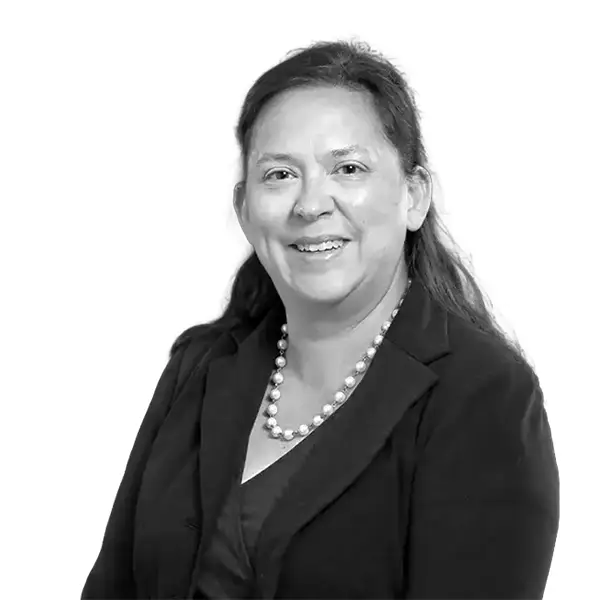
Tabitha L. Atwell focuses her practice on estate and tax planning, probate, and trust administration. She assists both families and individuals with proactively planning for incapacity, individuals with Alzheimer’s disease and other forms of dementia, and individuals with disabilities.
Tabitha serves as legacy advisor for St. Louis Children’s Hospital. Her other memberships include the National Academy of Elder Law Attorneys, WealthCounsel, the Missouri Bar Probate and Trust Committee, and the Missouri Bar Elder Law Committee. She previously served as a national board member of the Society of Financial Service Professionals.

I was born into a loud Irish family and raised in a suburb outside of St. Louis. Being the youngest, with three older brothers, I learned quickly to find my voice to advocate for myself. By watching my parents, I learned to appreciate rolling up your sleeves to do the hard work, helping your neighbor when they’re in need, and never underestimating the power of a smile.
Through working at Edward Jones as a financial advisor, my voice and work ethic have been amplified always for the benefit of my clients within my community. My passion in this career is to tirelessly work to understand my clients — their families, their needs, their goals — to partner with them throughout their lifetime and to always advocate on their behalf.
I best serve clients who know the value of their work and what they have done to achieve their wealth. These are the investors who are looking for advice and are open about their goals, both short- and long-term. From there, I build out those goals on a personalized dashboard and use our team’s established process to help reach them strategically.
I don’t believe in using intimidating financial jargon. You can expect direct, candid and common-sense explanations in order to effectively partner together to achieve what is most important to you.
Outside of my role at Edward Jones, I enjoy distance running to clear my head, being endlessly entertained by my Airedale, Doc, and spending quality time with my friends and family.
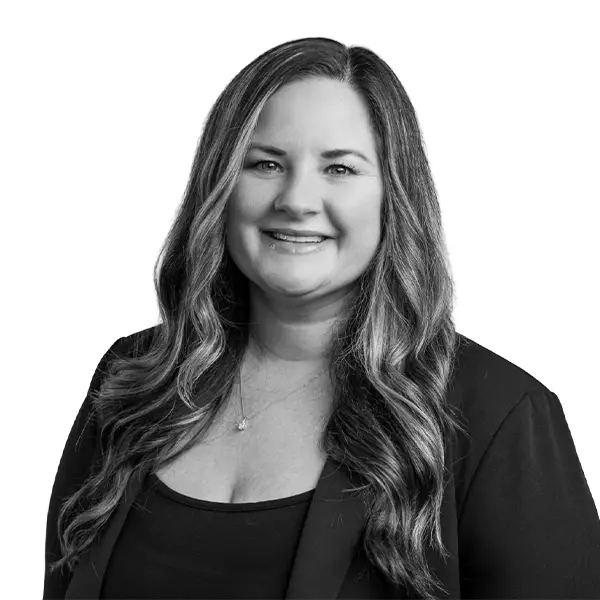
Rebecca James has nearly two decades of experience in financial services and currently serves as a Trust Advisor at Parkside, overseeing the administration, risk management, and servicing of fiduciary and investment management accounts. She specializes in trust and estate administration, client relationship management, and regulatory compliance.
Rebecca has built deep expertise in estate settlement, charitable trusts, IRA administration, and wealth management. Her experience includes interpreting legal documents, coordinating with attorneys and CPAs, and guiding families through sensitive transitions with care and professionalism.
Known for her empathetic and client-centered approach, Rebecca combines deep technical knowledge with a genuine commitment to those she serves. Her compassion, integrity, and attention to detail make her a trusted advisor during life’s most important transitions. Whether working with individuals, families, or professional partners, Rebecca brings a calm, thoughtful presence and a strong sense of responsibility to every relationship. Her approachable nature, coupled with a strong work ethic, allows her to build lasting connections and deliver meaningful, personalized service.
Rebecca James holds a Bachelor of Science in Business Administration from the University of Missouri–St. Louis, where she discovered early on her passion for trust services.
The choice of a lawyer is an important decision and should not be based solely upon advertisements.
© 2026 Danna McKitrick, P.C. Attorneys at Law | Legal Disclaimers | Accessibility Statement
Our website relies upon cookies and selected third-party technologies to improve your experience, and for proper operation of all site functions. Denying or withdrawing consent may adversely impact this site's performance.